What Foods to Give Your Baby – Building a Healthy Diet
Around 4–6 months, your baby’s natural iron stores start to drop. Iron is essential for healthy brain development and energy, so it should be one of the first nutrients you prioritize when introducing solids.
Iron-rich foods include:
- Iron-fortified baby cereals – Mix with breast milk or formula to make a smooth, easy-to-eat texture.
- Pureed meats – Chicken, turkey, and beef are excellent options. You can also try fish like salmon, making sure it’s fully cooked and bones are removed.
- Beans and lentils – Well-cooked and mashed, these are great plant-based sources of iron.
Offering iron first sets the stage for healthy growth and helps your baby meet nutrient needs that breast milk or formula alone may not fully provide at this stage.
Vegetables: Variety is Key
Vegetables are often a tough sell for little ones—but exposure matters. The more flavors and colors your baby experiences early, the more likely they are to enjoy a variety of foods later.
Try to include a rainbow of veggies:
- Orange: Sweet potatoes, carrots, butternut squash
- Green: Peas, broccoli, zucchini
- Red/purple: Beets, red bell peppers, purple cabbage
Start with smooth purees, then progress to mashed or soft finger foods as your baby develops chewing skills. Don’t be discouraged if your baby doesn’t take to a vegetable right away—taste preferences develop over multiple exposures.
Fruits: Sweet, Healthy Treats
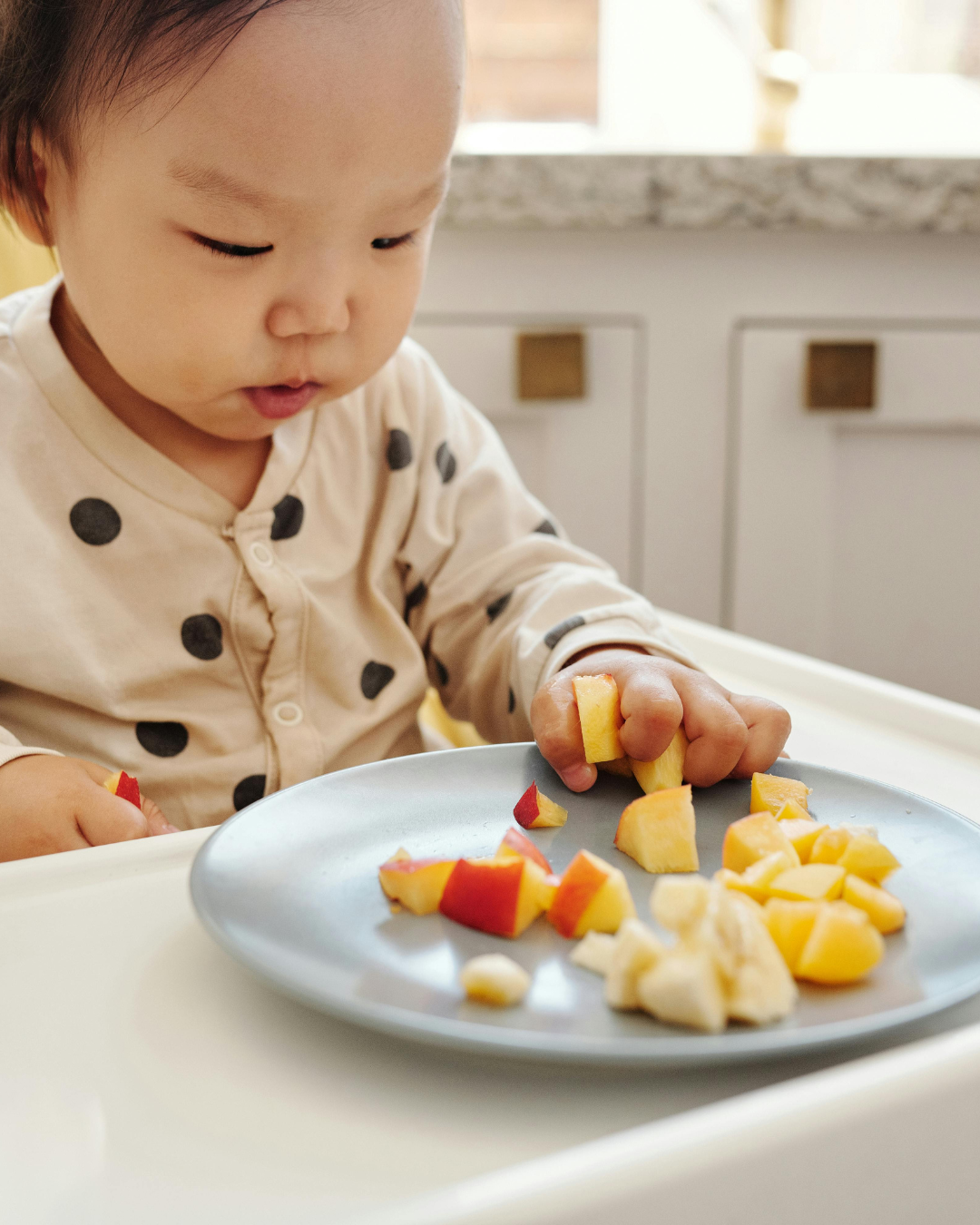
Fruits are naturally sweet and generally well-accepted by babies. They provide vitamins, fiber, and antioxidants. Some good options include:
- Banana, avocado, pear, or apple (steamed or baked for softer textures)
- Berries like blueberries or raspberries (mashed to avoid choking)
- Peach, plum, or mango puree
Try to avoid adding sugar or sweeteners. Your baby’s palate is naturally tuned to enjoy the natural flavors of whole foods. Early exposure to real flavors helps prevent a preference for overly sweet foods later.
Grains: Energy for Play
Grains provide energy for your growing baby. Start with:
- Iron-fortified cereals (rice, oatmeal, multigrain)
- Soft cooked pasta, quinoa, or rice
- Small pieces of whole-grain bread or crackers as finger foods
Aim for variety. Mixing grains with fruits or vegetables can help your baby enjoy different textures and flavors.
Dairy and Protein Options
For babies who are not allergic, introduce yogurt, cheese, and egg yolks around 6 months. These foods provide protein, calcium, and healthy fats.
- Yogurt: Plain, unsweetened varieties are best. You can mix in fruit purees for natural flavor.
- Cheese: Soft, mild cheeses cut into small pieces.
- Eggs: Start with well-cooked yolks first; whites can be introduced once your pediatrician gives the go-ahead.
Protein is also found in small amounts in beans, lentils, and meats. Combining these foods helps your baby meet growth and developmental needs.
Introducing Allergenic Foods
Current research supports introducing common allergenic foods early to help reduce allergy risk:
- Peanut (smooth peanut butter mixed with water or milk, never whole peanuts)
- Eggs
- Soy, fish, and shellfish (fully cooked and age-appropriate)
Always introduce one new food at a time and watch for signs of reaction. Consult your pediatrician if your baby has severe eczema, a strong family history of allergies, or if you have concerns.
Practical Tips for Success
- Start small: Offer one to two teaspoons and increase gradually.
- Follow baby cues: Let your baby guide how much they eat. Pressure can create negative associations with food.
- Mix textures: Smooth purees, mashed foods, and soft finger foods help babies develop chewing skills.
- Be patient: Babies may spit out foods at first—this is normal. Repeated exposure is key.
- Keep it safe: Avoid honey before 1 year, and ensure foods are soft enough to prevent choking.
Takeaway
Building a healthy diet for your baby is less about perfection and more about exploration, variety, and exposure to real, nutrient-rich foods. Start with iron-rich options, add a rainbow of fruits and vegetables, offer grains and proteins, and introduce allergenic foods safely.
The goal is to create a positive, enjoyable eating experience while supporting growth and development. With patience and practice, you’re setting the foundation for healthy eating habits that can last a lifetime.