Building Healthy Eating Habits Early

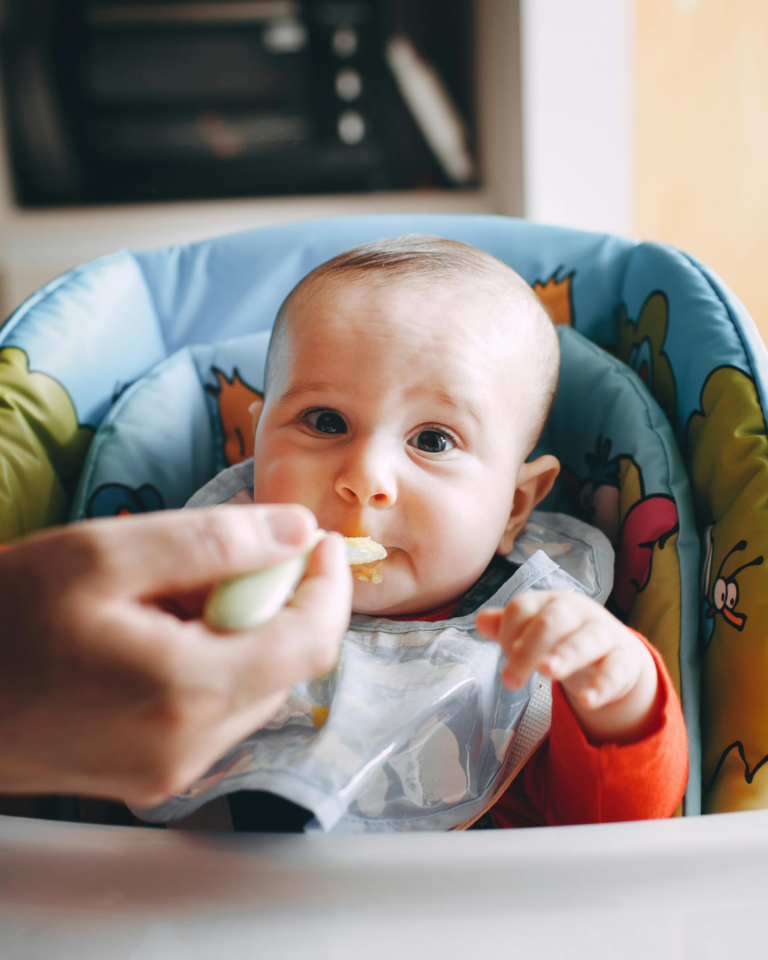
Establishing healthy eating habits in early childhood sets the foundation for a lifetime of good nutrition. From the very first foods you introduce to your baby to the routines you create around mealtimes, these early experiences shape how children view food, develop preferences, and even how their bodies respond to nutrients.
1. Start with Variety
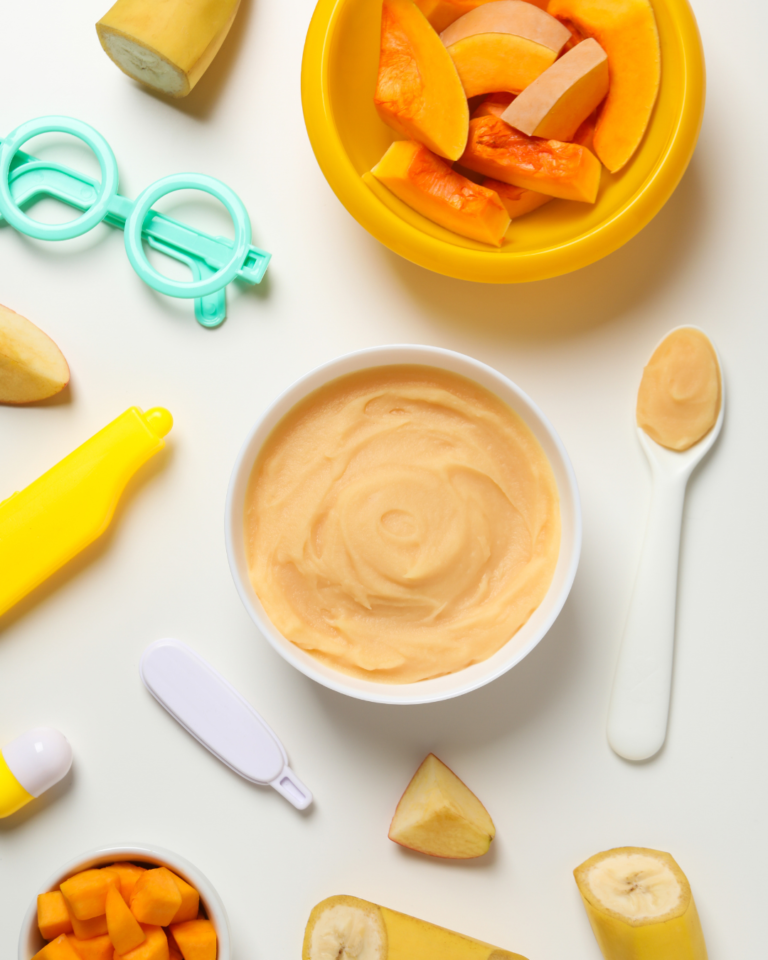
Introducing a wide range of flavors, textures, and colors early on helps children develop a broad palate. Babies are naturally curious, and repeated exposure is key.
Strategies:
- Offer fruits, vegetables, grains, proteins, and healthy fats in small amounts.
- Rotate foods regularly to prevent boredom and expand preferences.
- Introduce new foods alongside familiar favorites to encourage acceptance.
Even if your child initially refuses a food, keep offering it. It can take 10–15 exposures before a child accepts a new taste. Patience is your ally.
2. Make Mealtimes Predictable
Children thrive on routine. Regular meal and snack times help them recognize hunger cues, reduce grazing, and promote balanced nutrition.
Strategies:
- Create consistent meal and snack schedules.
- Sit down together whenever possible—children learn by watching.
- Keep meals around 20–30 minutes long to match their attention span.
Predictable routines also reduce stress and power struggles at the table, making mealtimes more enjoyable for everyone.
3. Encourage Self-Feeding
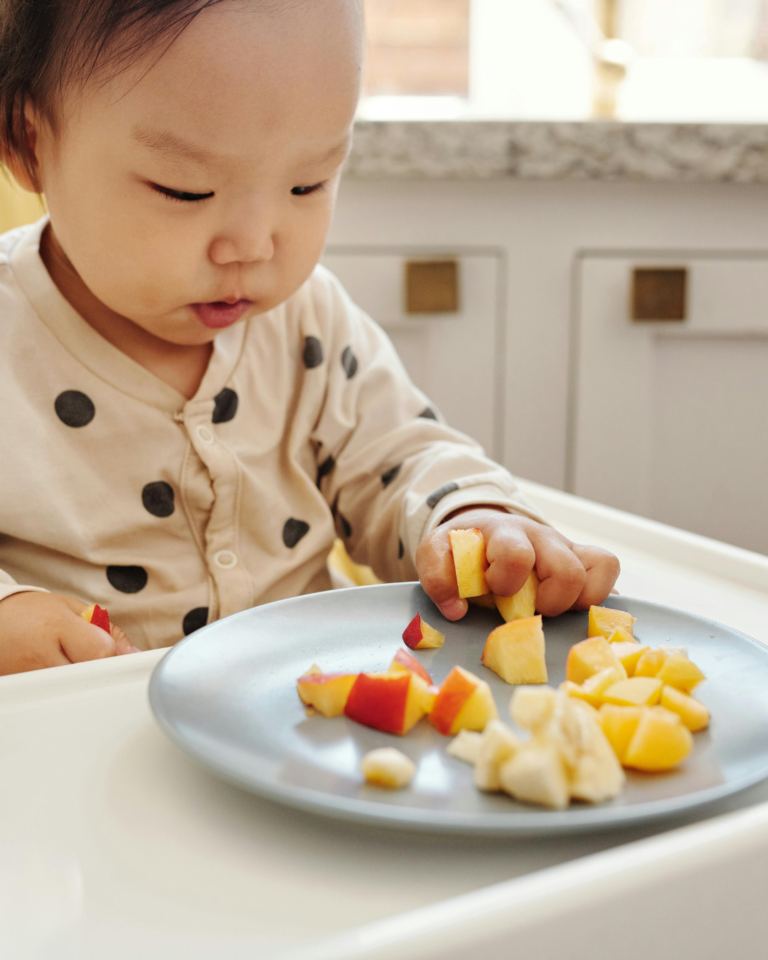
Self-feeding supports independence, fine motor skills, and a positive relationship with food. Messy as it may be, letting your child explore foods with their hands or utensils is crucial.
Strategies:
- Offer finger foods cut into manageable sizes.
- Let children use spoons or forks at their own pace.
- Avoid pressuring them to eat “perfectly.”
Self-feeding is about learning, not just nutrition. Celebrate effort, not outcome.
4. Model Healthy Eating
Children are keen observers. Your own food choices, attitudes, and behaviors shape their relationship with food.
Strategies:
- Eat a variety of healthy foods in front of your child.
- Show enjoyment of different flavors and textures.
- Avoid labeling foods as “good” or “bad.”
Positive modeling teaches children that all foods have a place in a balanced diet.
5. Focus on Nutrition, Not Perfection
Healthy habits are built over time, not in a single meal. Early exposure to a wide variety of foods, along with positive mealtime experiences, has more impact than achieving perfection.
Strategies:
- Prioritize nutrient-dense foods, but allow flexibility and choice.
- Avoid bribing, forcing, or using desserts as rewards.
- Keep mealtimes relaxed—stress-free meals promote healthy attitudes toward food.
6. Involve Children in Food Choices
Engaging children in grocery shopping, meal prep, and even simple decisions encourages curiosity and ownership.
Strategies:
- Let them pick between two fruits or vegetables at the store.
- Give them age-appropriate tasks in meal prep, like stirring or washing produce.
- Talk about colors, textures, and flavors as you cook together.
Participation strengthens the connection to food and helps children feel confident exploring new tastes.
Takeaway
Healthy eating habits don’t happen overnight—they are shaped by repeated exposure, positive experiences, and gentle guidance. Offering variety, creating routines, encouraging self-feeding, modeling healthy choices, and involving children in the process sets the stage for lifelong balanced eating.
Remember: your role isn’t just feeding your child—it’s teaching them how to enjoy and explore food with curiosity and confidence. Each small step matters, and even the messy, imperfect meals are building blocks for a healthy future.