Learning to Eat Series | Part 1
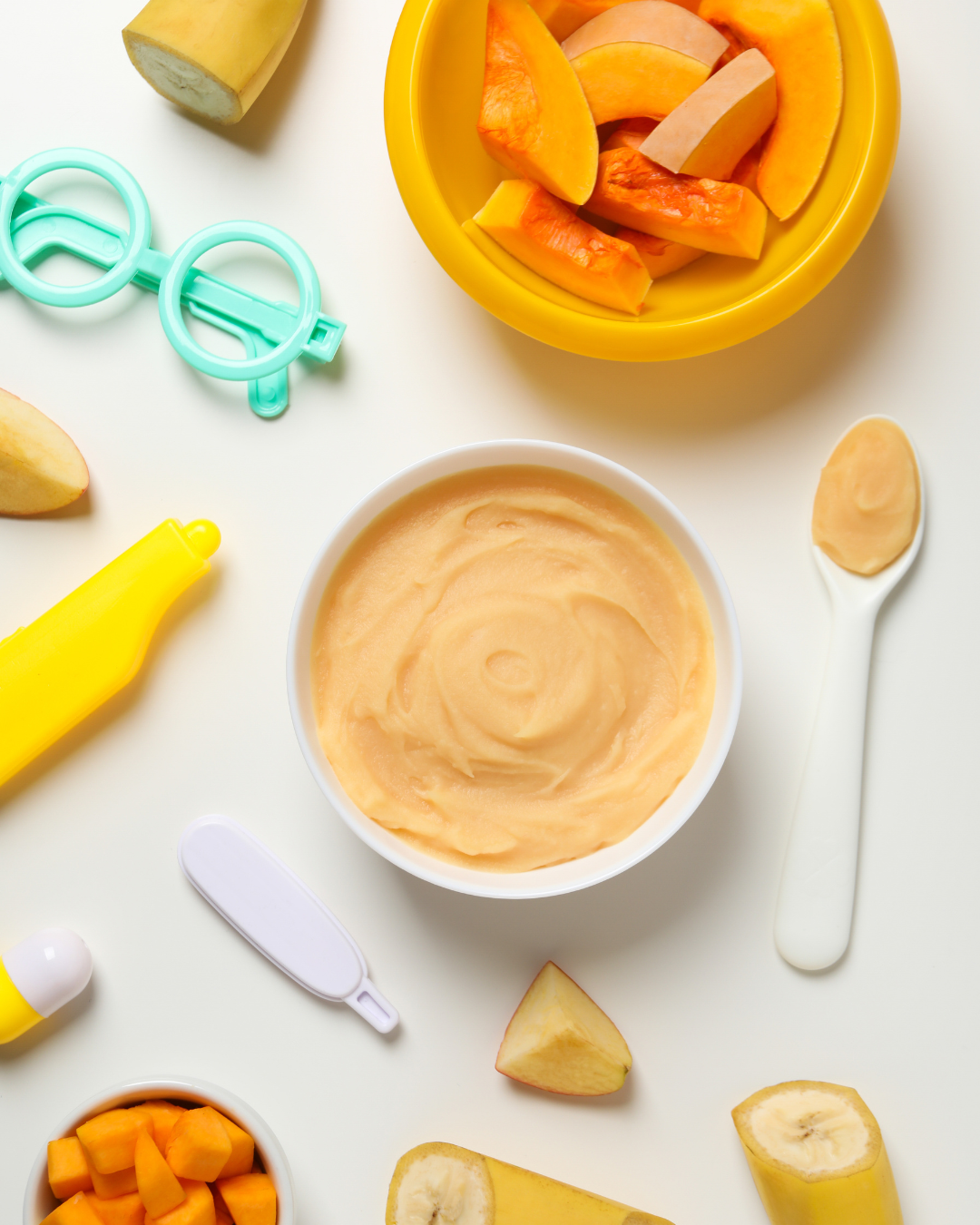
Learning to eat is one of the biggest milestones in your baby’s first year—and it often comes with a lot of questions. When should solids start? What signs should I look for? And what if my baby doesn’t seem interested yet?
Let’s break it down in a calm, evidence-based way.
Breast Milk or Formula Comes First
For the first 4–6 months of life, breast milk or infant formula provides everything your baby needs for growth and development.
If you are breastfeeding, your baby should receive 400 IU of vitamin D daily, starting shortly after birth. This helps support healthy bone development.
At this stage, solids are not needed—and starting too early doesn’t provide benefits and may stress your baby’s digestive system.
When Is My Baby Ready for Solid Foods?
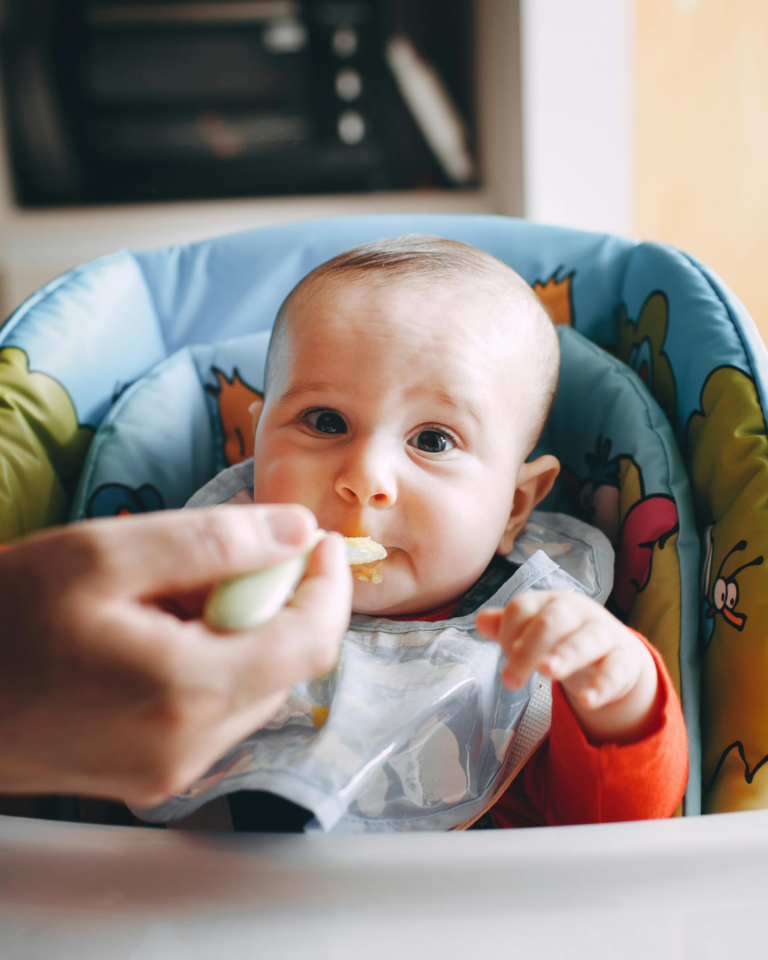
Most babies are ready to begin trying solid foods between 4 and 6 months of age, alongside breast milk or formula.
Rather than watching the calendar, look for developmental readiness signs, including:
- Sitting with support
- Good head and neck control
- Showing interest in food (watching you eat, reaching for food)
- Opening their mouth when food comes near
If these signs aren’t there yet, it’s okay to wait. There’s no rush.
Is It Harmful to Start Too Early?
Starting solids before 4 months can be hard on your baby’s developing gut and kidneys and does not improve sleep or growth. Waiting until your baby is developmentally ready supports safer swallowing and a more positive feeding experience.
What Happens to Breast Milk or Formula After Solids Start?
Breast milk or formula remains your baby’s main source of nutrition through the first year.
Solids at first are about:
- Learning textures
- Exploring flavors
- Practicing eating skills
You can continue breastfeeding for as long as you and your baby desire—through the first year and beyond.
What This Means for You
- Your baby doesn’t need solids before 4 months
- Readiness matters more than age
- Breast milk or formula stays central even after solids begin
- Waiting until your baby is ready sets the stage for safer, more enjoyable eating
Starting solids is not a test—you’re not behind, and your baby doesn’t need to eat a lot right away.
What’s Next in the Series
In the next post, we’ll cover: Best First Foods for Babies (including iron and allergen introduction)
If you have concerns about readiness, growth, or feeding, talk with your pediatrician or a pediatric dietitian for personalized support.