Tips for Introducing Solids Safely and Enjoyably
Introducing solids is an exciting milestone for both babies and parents. Around 6 months of age, most babies are ready to explore new textures and flavors beyond breastmilk or formula. But with excitement can come questions and worries: “What should I start with?” “How much should my baby eat?” “What if they gag or refuse?” The key is a safe, gradual, and enjoyable approach that helps your baby develop healthy eating habits from the start.
Signs Your Baby is Ready for Solids
Babies reach the solid food stage at slightly different times, so it’s important to watch for readiness cues rather than strictly the calendar. Signs your baby may be ready include:
- Good head and neck control
- Ability to sit with minimal support
- Interest in food, reaching for what you’re eating
- Loss of the tongue-thrust reflex (baby no longer automatically pushes food out of their mouth)
If your baby isn’t showing these signs, it’s okay to wait a few more weeks. Starting too early can increase the risk of choking and reduce breastmilk or formula intake.
Start Simple: First Foods
When introducing solids, start with single-ingredient, soft, and easy-to-digest foods:
- Iron-fortified cereals (rice, oat, or multigrain)
- Pureed vegetables like sweet potato, carrot, or squash
- Pureed fruits like pear, apple, or banana
- Protein sources such as lentils, beans, or soft cooked egg yolk
Introduce one new food at a time and wait 3–5 days before adding another. This makes it easier to notice any allergic reactions or sensitivities.
Texture Progression and Finger Foods
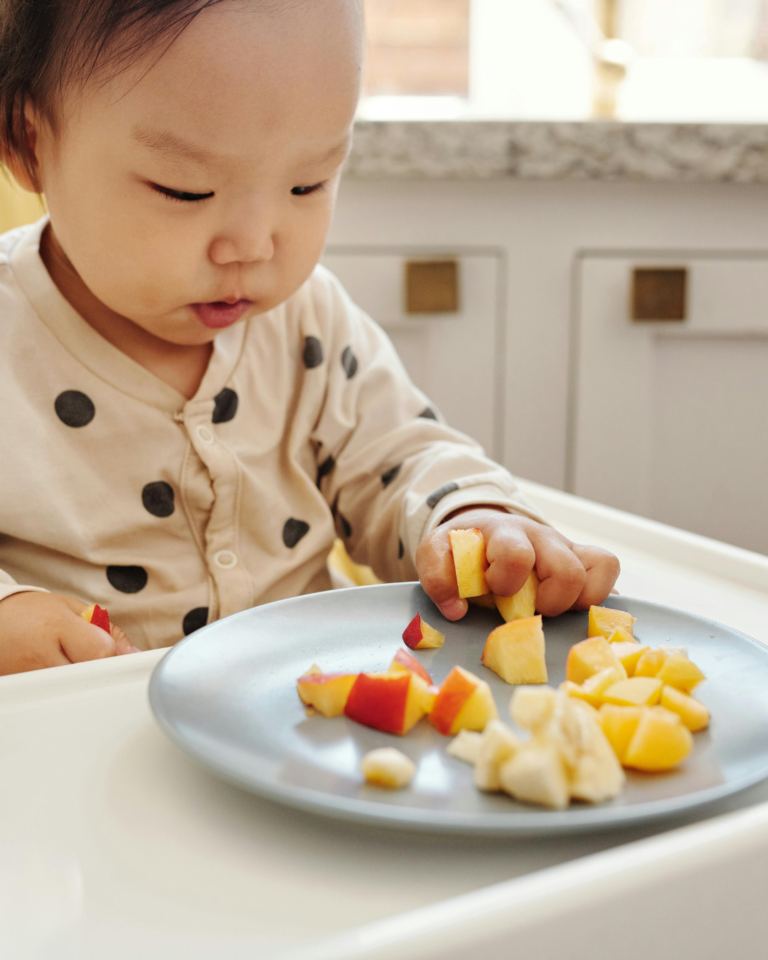
Babies benefit from gradually experiencing different textures. Start with smooth purees and move toward thicker, lumpier textures as they gain chewing skills. Around 8–10 months, most babies can try soft finger foods, such as:
- Small pieces of banana or avocado
- Steamed carrot sticks or zucchini
- Soft cooked pasta
- Small cubes of cheese or tofu
Finger foods encourage self-feeding, fine motor skills, and independence—all while making mealtimes fun.
Mealtime Safety Tips
Safety is essential when introducing solids. Here are some practical tips:
- Supervision: Always stay with your baby while they eat.
- Avoid choking hazards: Hard foods like whole grapes, raw carrots, hotdogs, and nuts should be cut into tiny, manageable pieces or avoided until older.
- Proper seating: Use a high chair with a stable base and harness.
- Small portions: Offer small spoonfuls or pieces and allow your baby to guide intake.
Encourage Exploration and Enjoyment
Mealtimes are as much about learning as nutrition. Encourage curiosity and positive experiences:
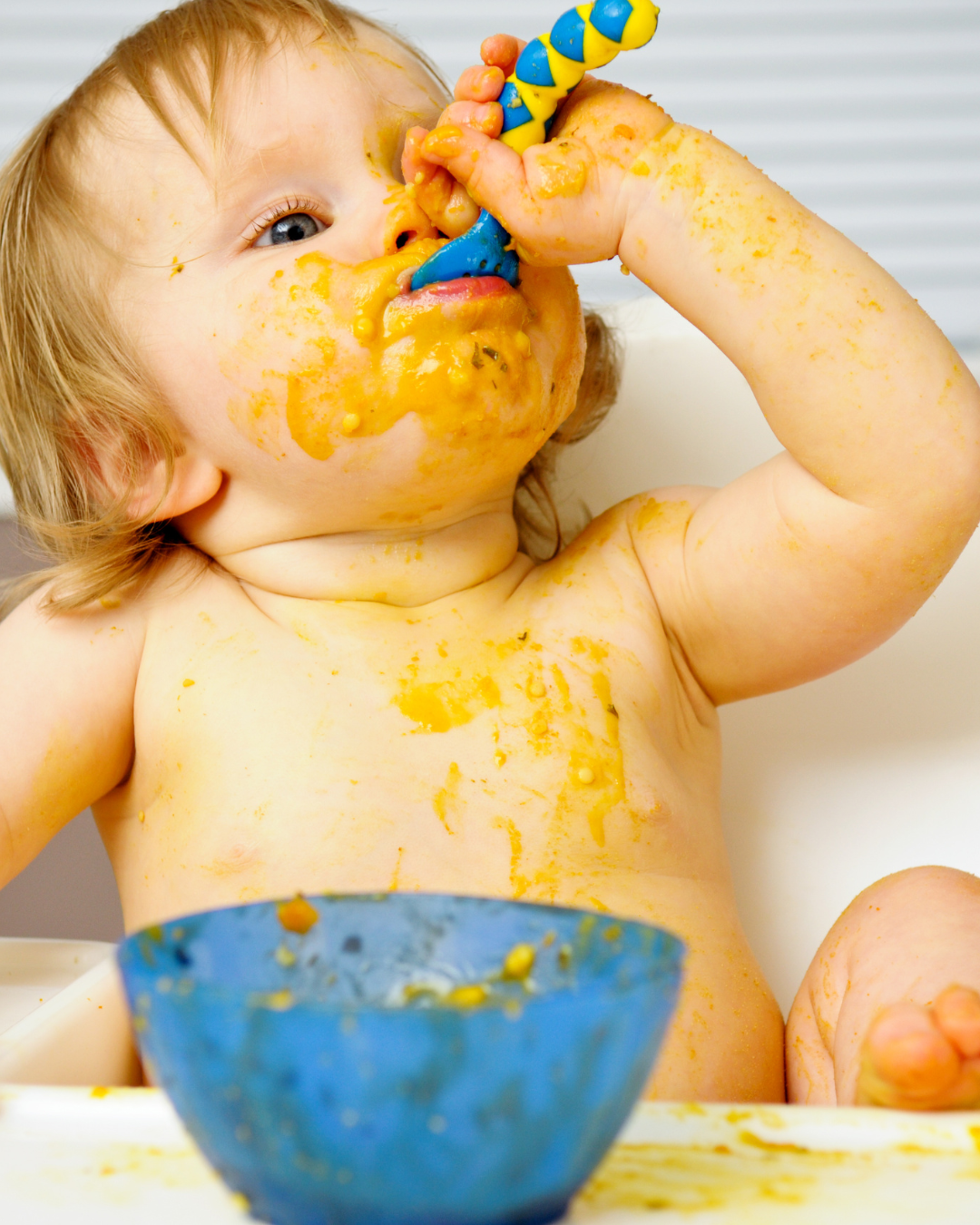
- Let your baby touch and play with food—it’s normal and helps them learn textures.
- Offer a variety of flavors to develop taste preferences.
- Keep reactions neutral when they refuse a food; repeated exposure over time is key.
- Make mealtimes a social experience—eat together when possible and model healthy eating.
Watch for Cues
Just like with milk feeds, babies give clear signals for hunger and fullness:
- Hunger cues: Reaching for food, opening mouth, leaning toward the spoon
- Fullness cues: Turning head, pushing food away, spitting out food
Responding to these cues supports self-regulation and helps your baby develop a healthy relationship with food.
Takeaway
Introducing solids is a journey, not a race. Start when your baby shows readiness, focus on safe textures and small portions, and use mealtime as an opportunity for learning and enjoyment. Your guidance, patience, and encouragement help your baby develop healthy eating habits and a positive relationship with food that can last a lifetime.
Remember, mess is normal, tasting is learning, and every small bite counts. With safe, enjoyable, and responsive feeding, you’re setting your baby up for success—one spoonful at a time.